

On the western edge of Beijing, beyond a tangle of highways and smokestacks, stands a temple few tourists ever hear about. Fahai Temple (法海寺) is small, almost modest, yet inside its main hall lies a treasure that art historians whisper about with awe: Ming-dynasty murals so vivid they are considered a pinnacle of Chinese art.
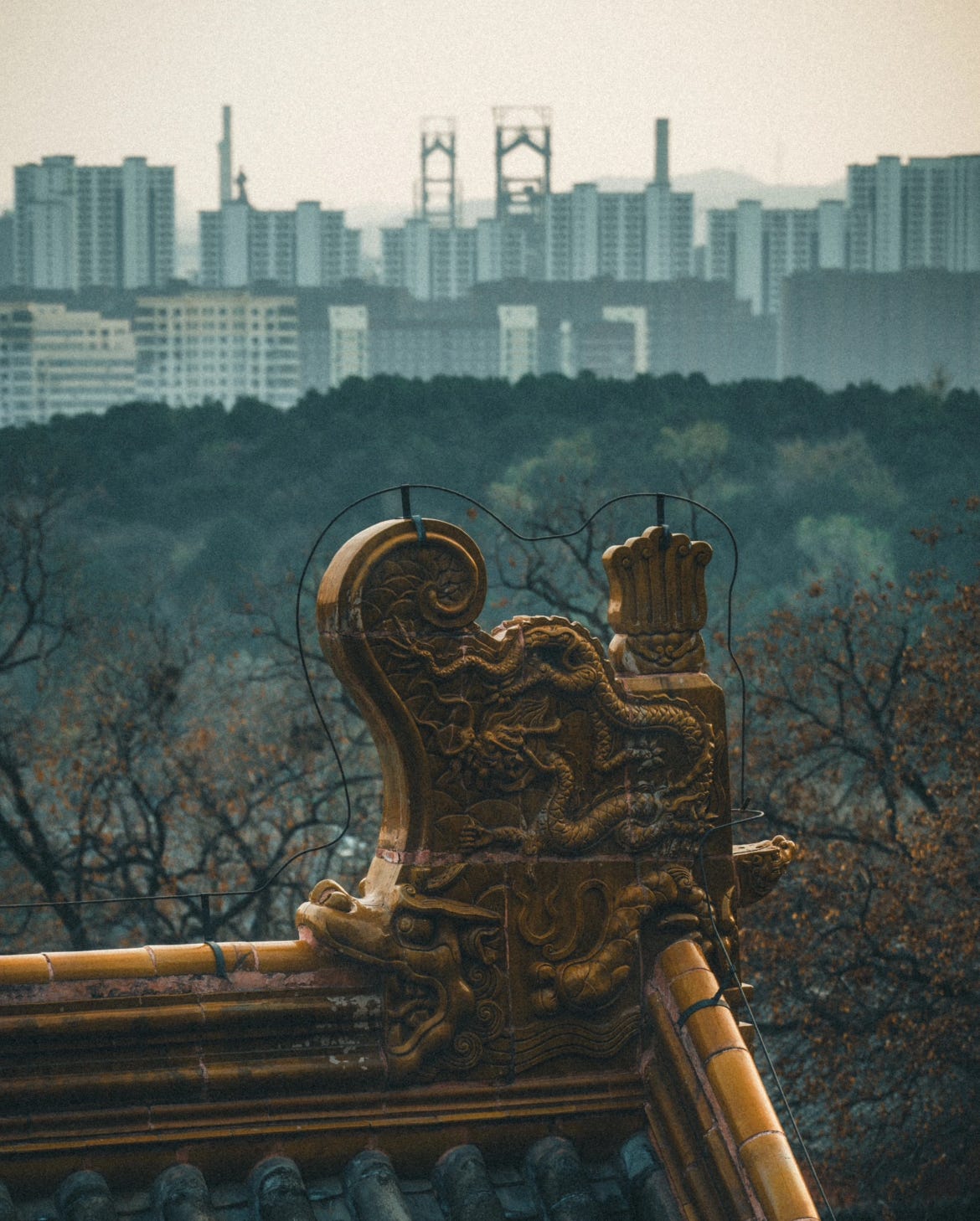
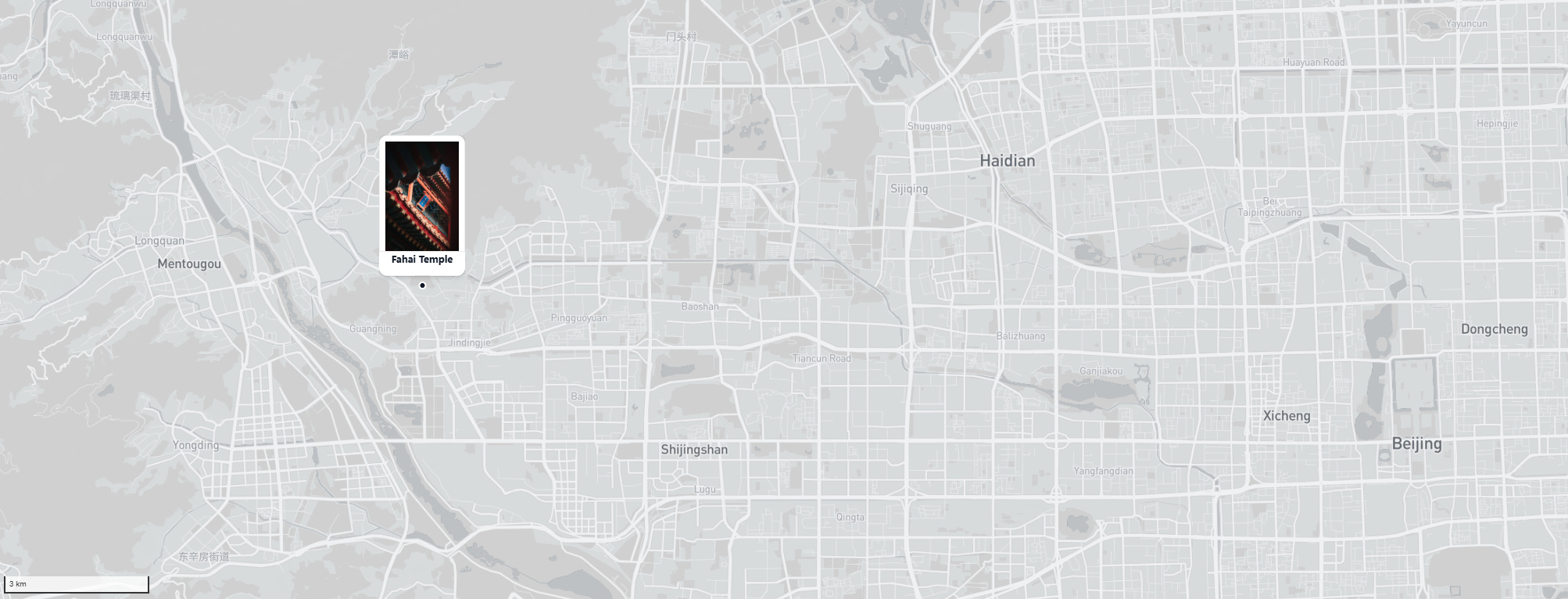
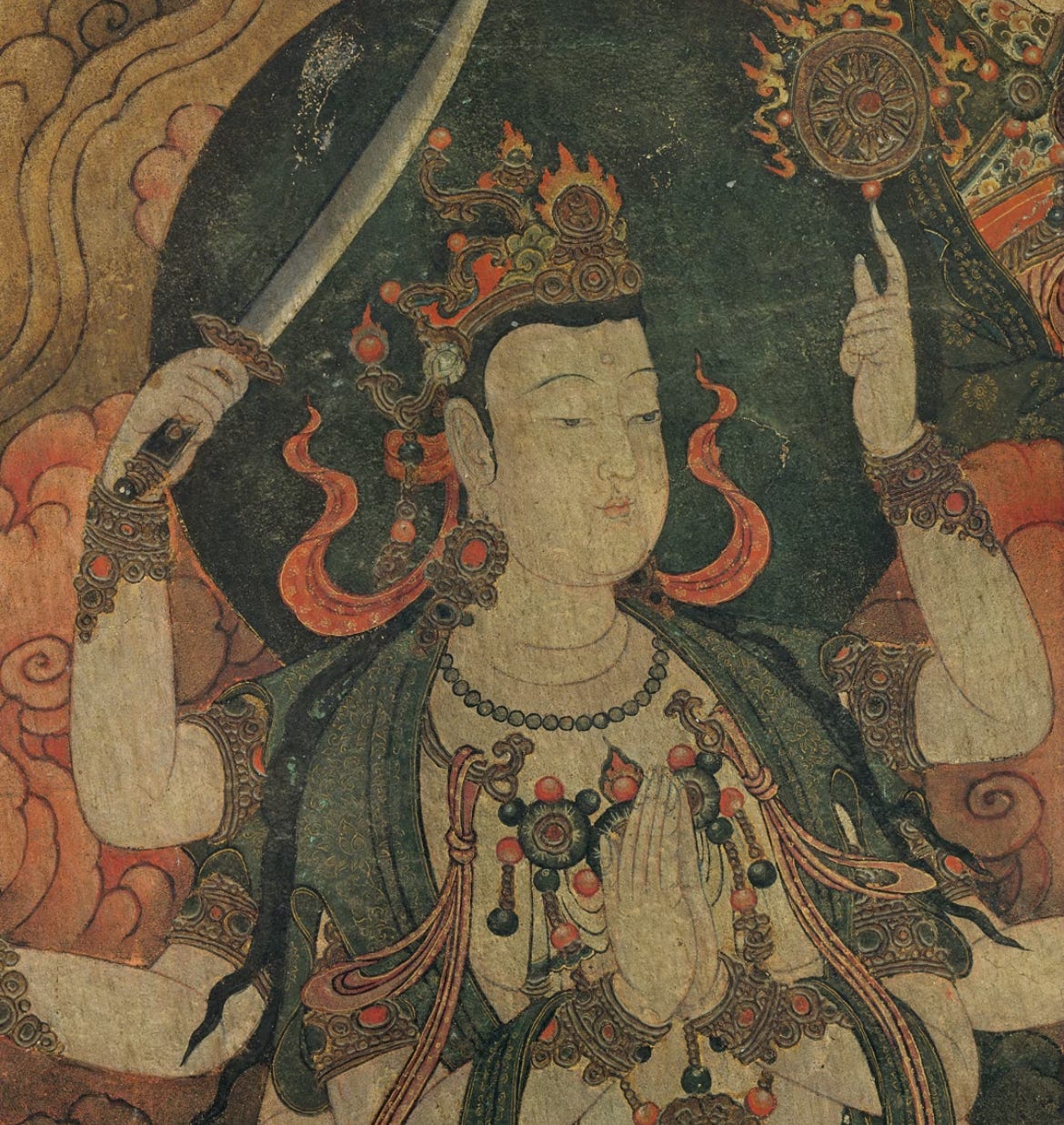
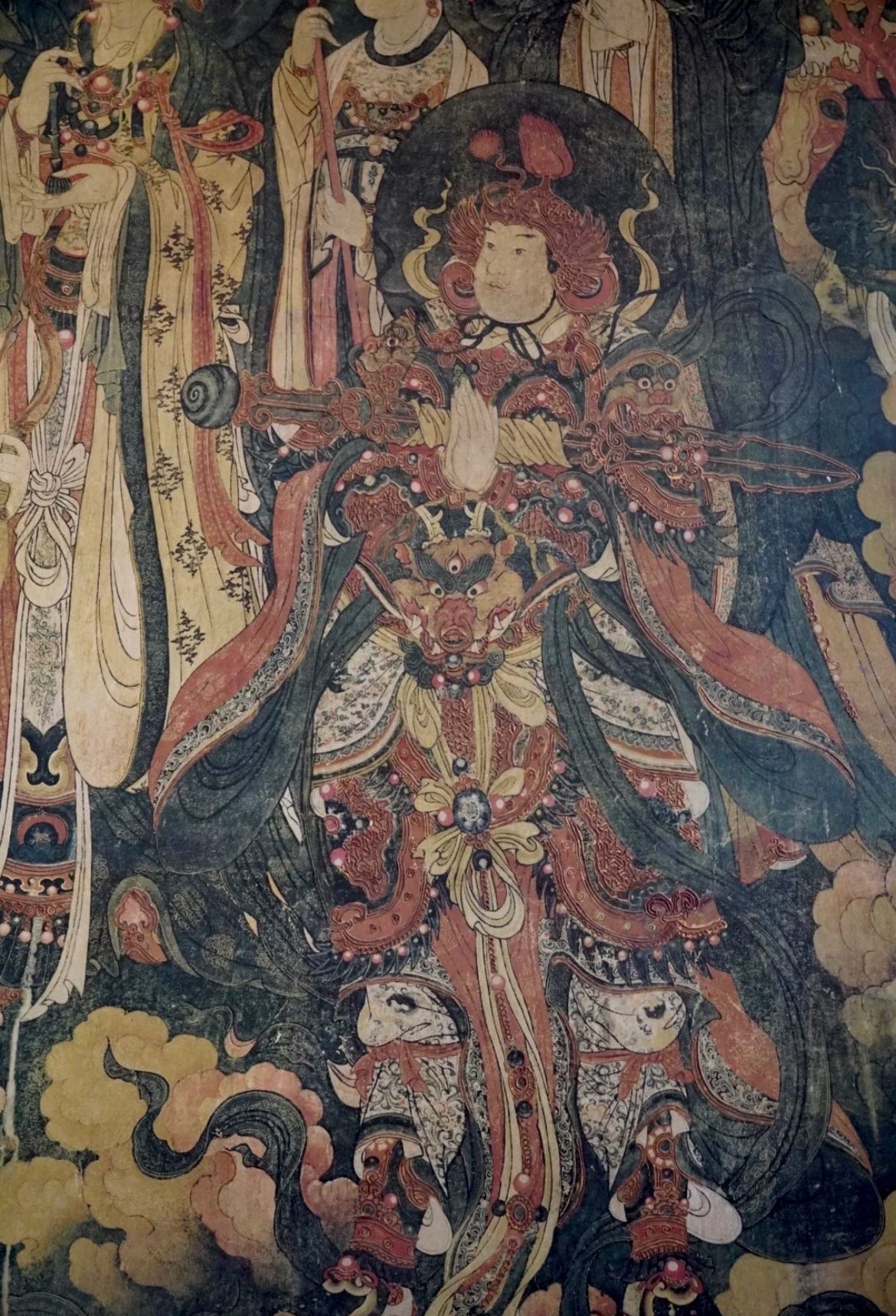
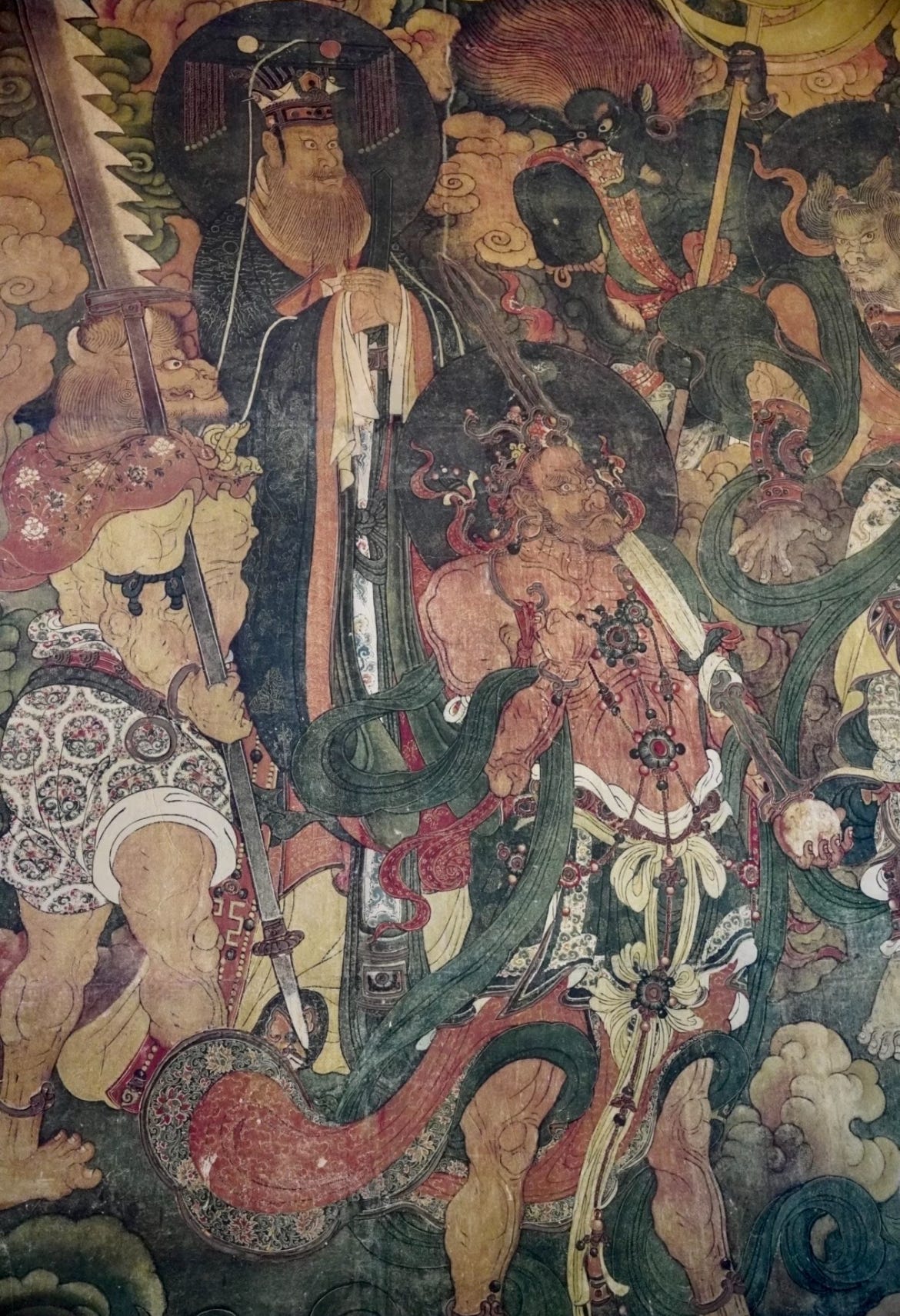
Painted in 1443 by imperial court artists, the frescoes cover nearly 236 square meters of wall. Step through the dim doorway, and your eyes adjust to a galaxy of color: bodhisattvas with luminous halos, guardians gripping swords, flying apsaras trailing silk ribbons through clouds.
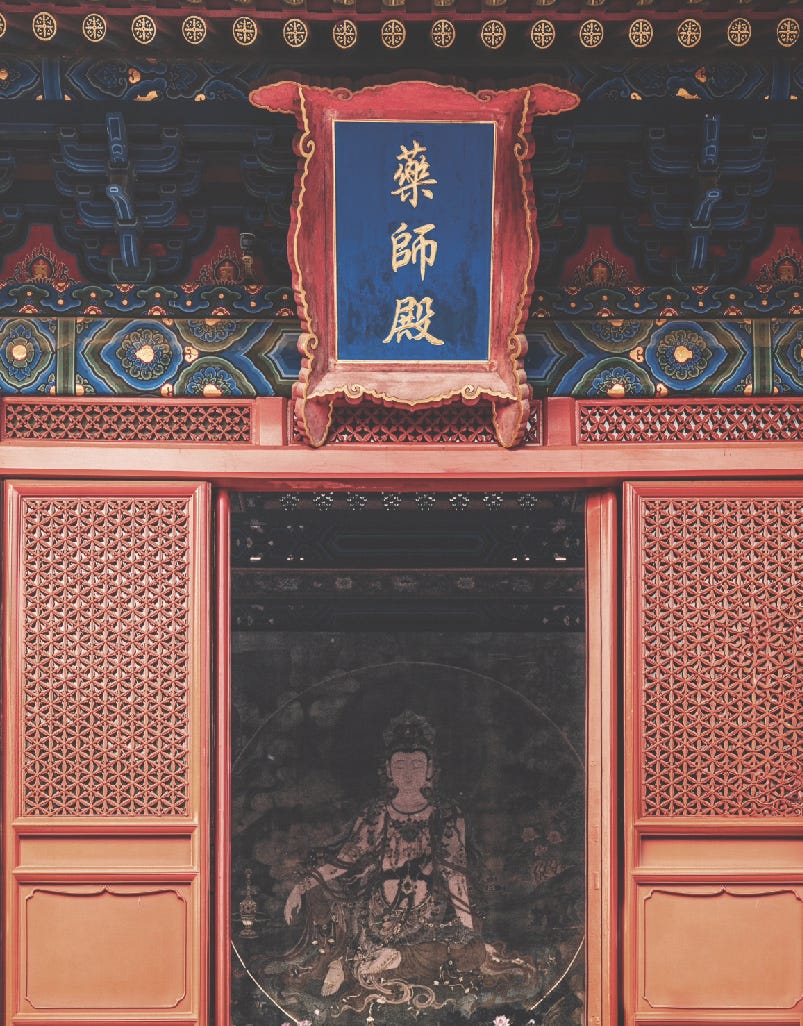
The detail is breathtaking. Every fold of silk, every feather of a celestial bird was painted with mineral pigments, azurite blues, cinnabar reds, and specks of crushed lapis lazuli. Unlike the cave art of Dunhuang, these murals were created in Beijing itself, in a temple meant for quiet meditation rather than spectacle. They represent a unique fusion: Buddhist devotion, imperial technique, and the cosmopolitan style of the early Ming court.

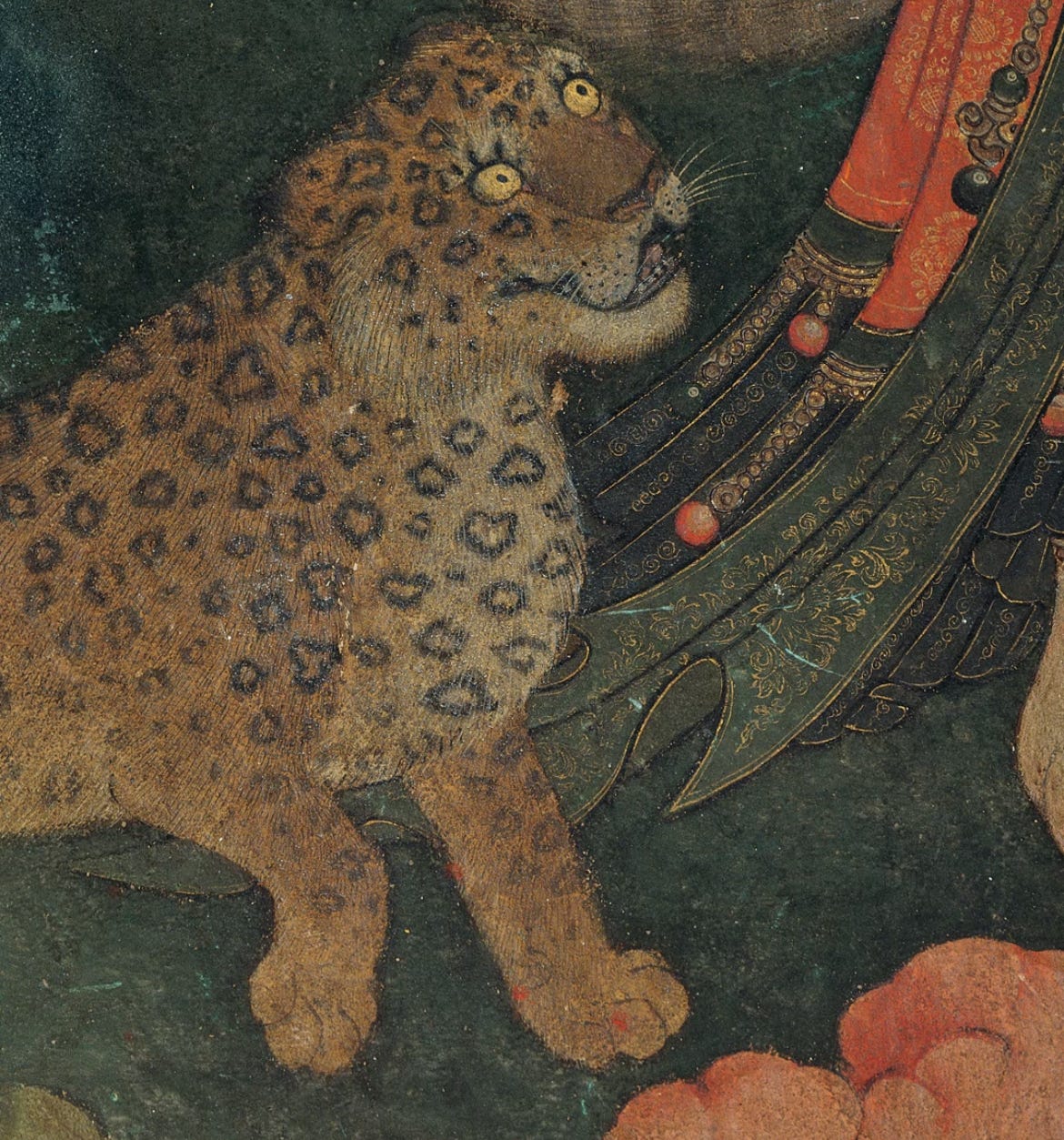
For centuries, the murals barely survived. Smoke from incense and candles blackened the walls. Rain leaked through cracked roof tiles. By the 20th century, Fahai Temple was a forgotten ruin, overshadowed by the Forbidden City and the Great Wall. Locals recalled only fragments of its former glory.
Conservation began only in the 1980s, when experts painstakingly cleaned each square centimeter, stabilizing the plaster so pigments would not crumble. Unlike the bright restorations of many Beijing monuments, Fahai’s murals still bear the patina of time: subtle cracks and faded corners remind us of how close they came to vanishing.
Today, visitors who make the detour find a hall bathed in silence. No tourist crowds, no loudspeakers. Just you and the painted saints, musicians, and bodhisattvas, gazing across six centuries. Some leave calling it the most unforgettable site in Beijing, not because it is grand, but because it feels like a secret revealed.

Ultimate Travel Guide to China

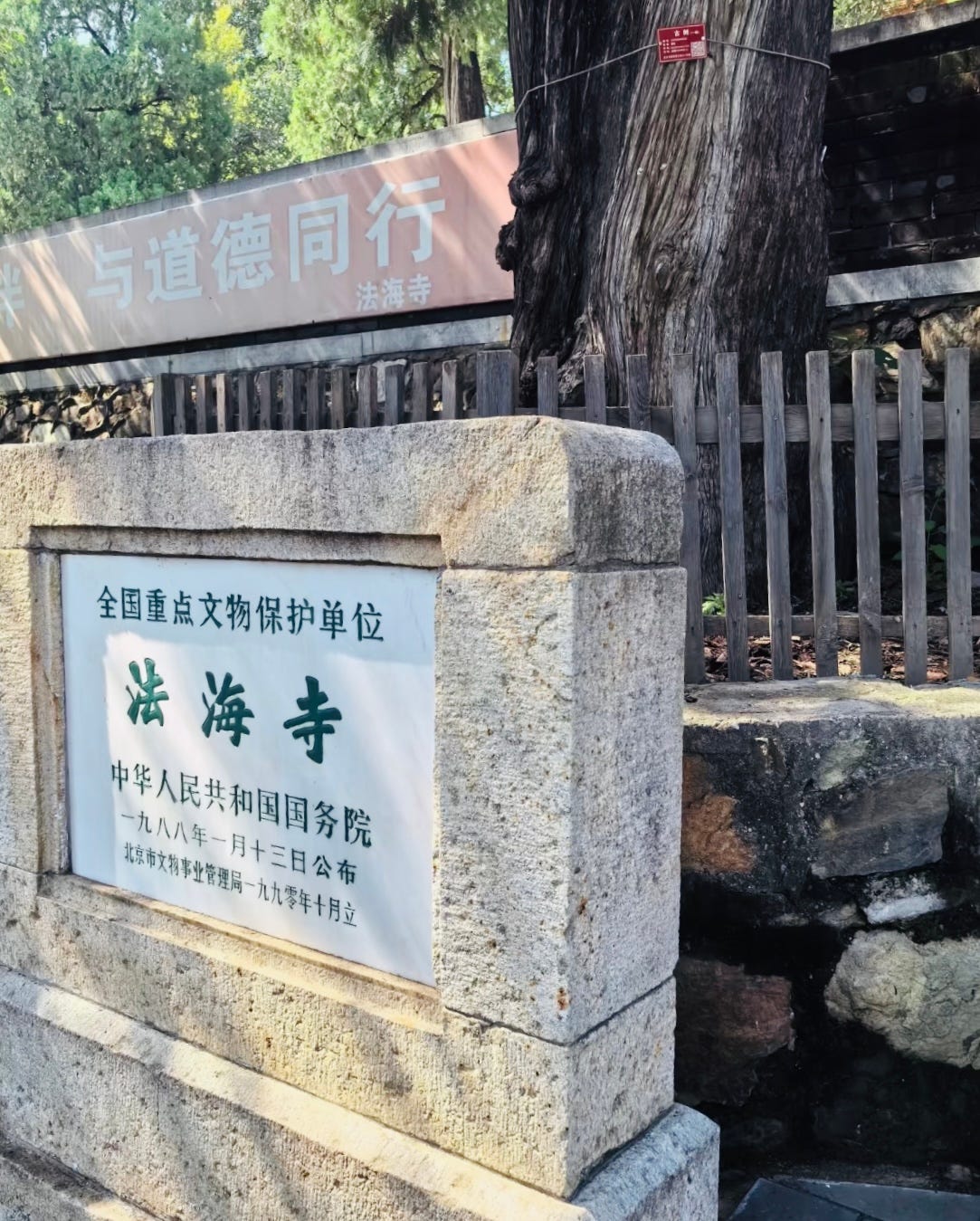
When I travel across China, I rarely follow lists of cafes or new landmarks. Instead, I follow the List of National Key Cultural Heritage Sites (全国重点文物保护单位). Over time, this list has become my atlas, guiding me to caves with fading pigments, brick walls that still hold the sound of old footsteps, and temples where history lingers in the shade. I keep ex…