

Visitors to a recent retrospective in Nanjing were greeted by an unusual sight: the fjords of Scandinavia, the castles of Eastern Europe, and the markets of Southeast Asia – all rendered in the fluid brushstrokes of classical Chinese landscape painting. The artist behind these works, Ya Ming (亚明) (1924–2002), spent his life proving that shanshui (traditional ink landscape art) could capture scenes far beyond China’s borders.
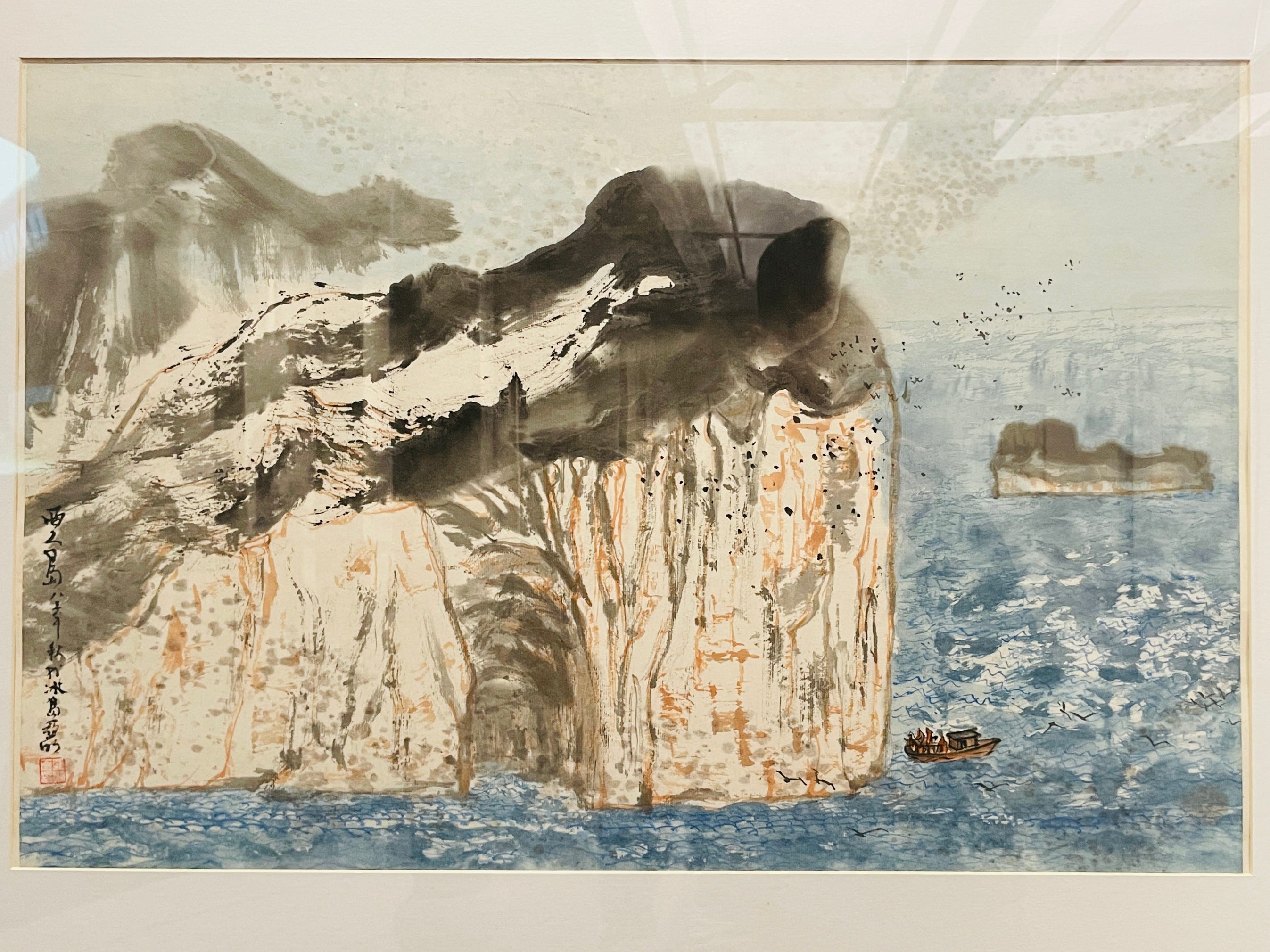
A communist guerilla-turned-painter, Ya Ming came of age during China’s revolutionary era. He joined the resistance against Japan as a teenager and later studied ink painting under established masters. By the 1950s he had emerged as a prominent artist, known for blending new socialist themes with classical techniques. His political reliability and talent soon earned him an important role: cultural emissary for the young People’s Republic.

Throughout the 1950s to 1970s – a period when China was largely closed off to the West – Ya Ming was repeatedly sent abroad as part of art delegations. These state-sponsored exchanges were meant to foster goodwill with friendly nations in Asia, Africa, and Eastern Europe. For Ya Ming, they also became an artistic mission. Armed with sketchbooks and ink brush, he set out to “write the world’s landscapes” with Chinese brush and ink.
Painting Distant Lands in Shanshui Style
Over four decades, Ya Ming produced more than 600 works based on his travels abroad. He first ventured outside China in 1953, joining a goodwill delegation to the Soviet Union. Later trips took him to:
Vietnam (1973–74): Over 150 ink sketches and paintings of Vietnam’s villages, jungles and people, created during a wartime cultural exchange. Vietnamese observers marveled at how a short visit yielded art that “deeply understood and portrayed Vietnam’s beautiful landscape and people”.
Pakistan (1978): 100+ works capturing South Asian scenes – from bustling bazaars to the ancient Lahore Fort – many focusing on local people like camel drivers and street vendors.
Northern Europe (1983): Dozens of paintings from a tour of five Nordic countries (Denmark, Norway, Sweden, Finland, Iceland). These include Icelandic volcanoes and waterfalls, the fjords of Norway, and even a sketch of Hans Christian Andersen’s hometown in Denmark. Ya Ming’s solo exhibition in Beijing in 1985 showcased these European landscapes to great acclaim.
Western Europe & America (1990s): In the 1980s and ’90s, as China opened up, Ya Ming finally painted in places like Italy, Britain, Switzerland, and the United States, creating ink impressions of everything from the Alps to the New York skyline
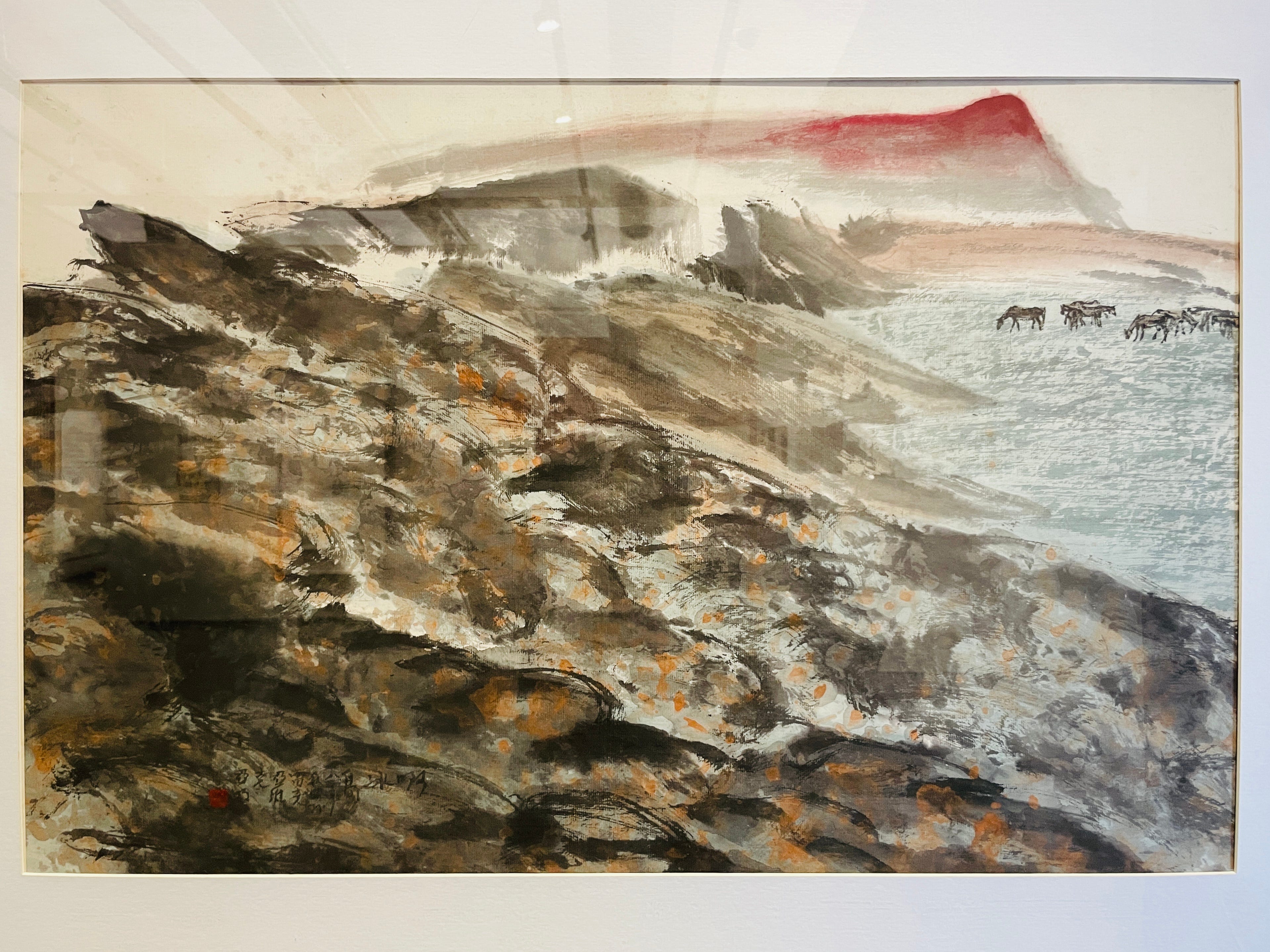
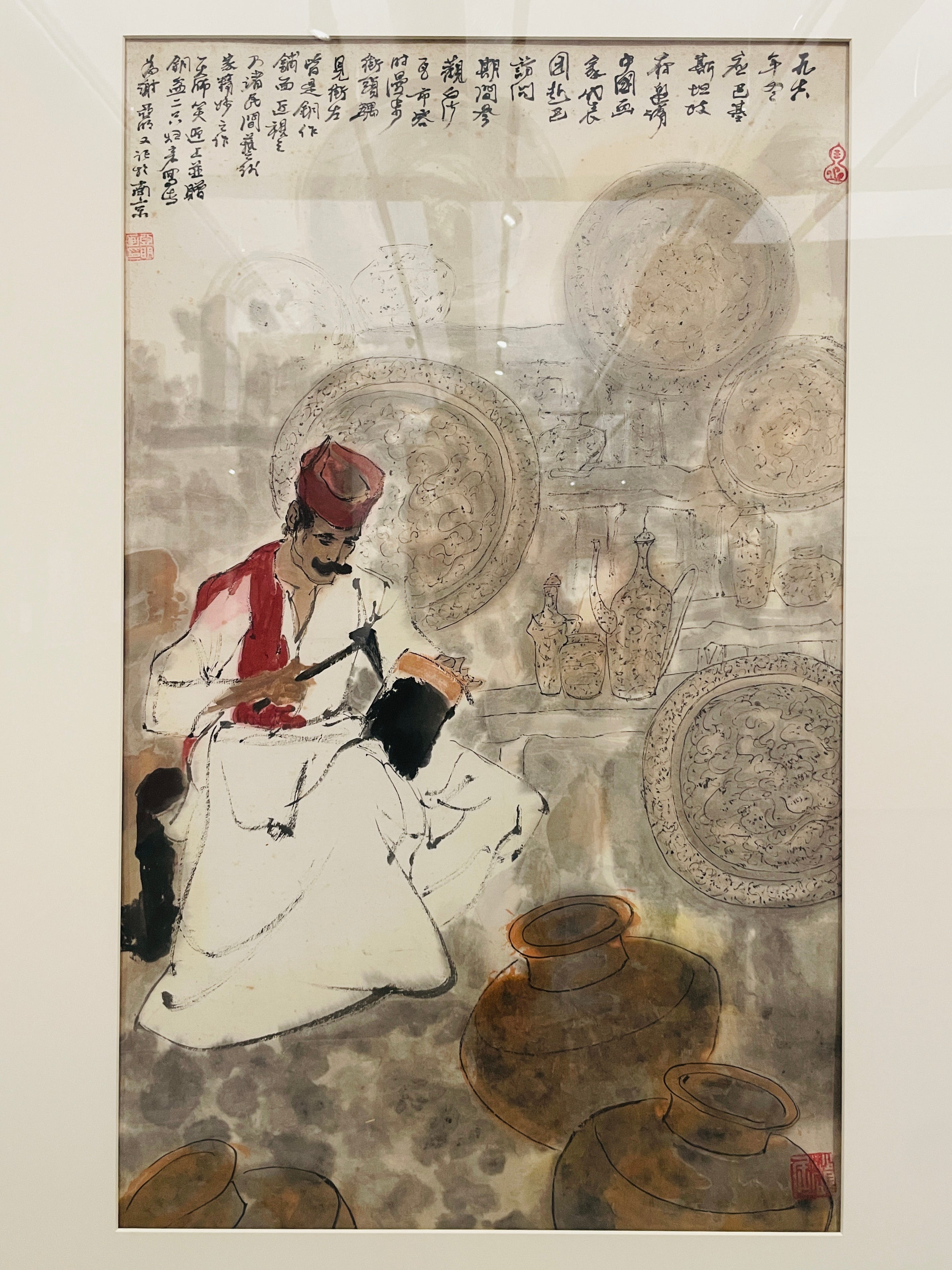
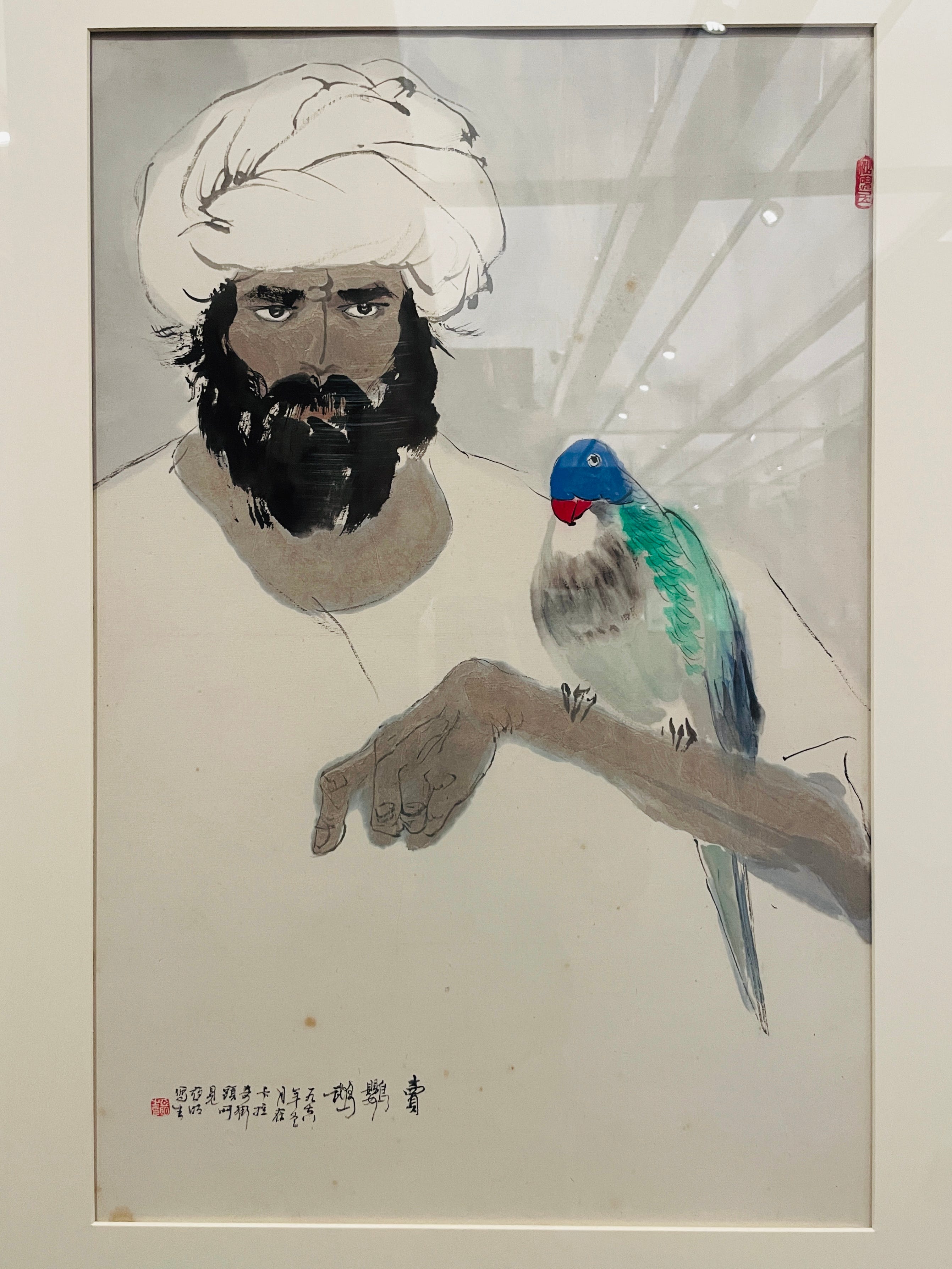
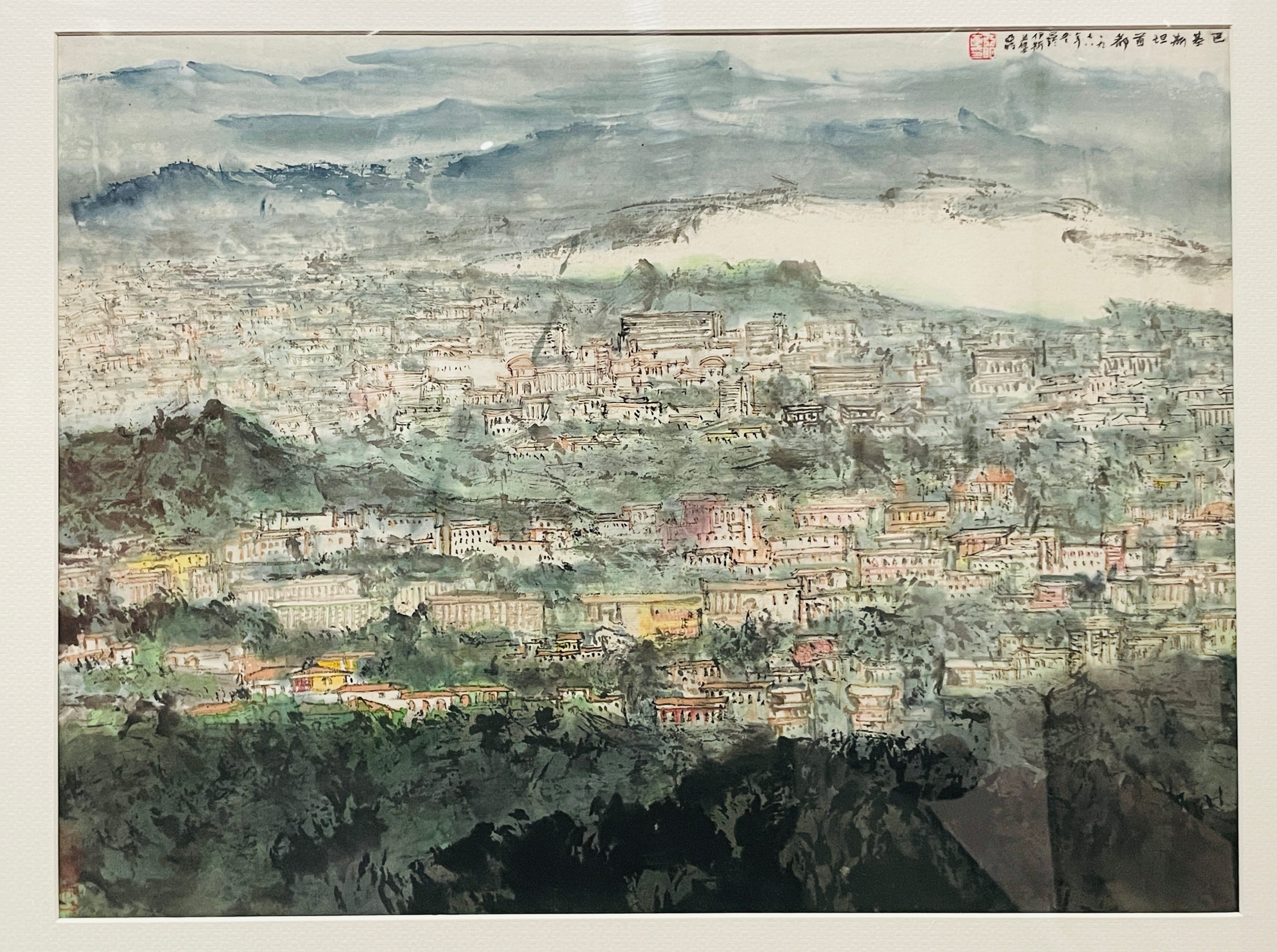
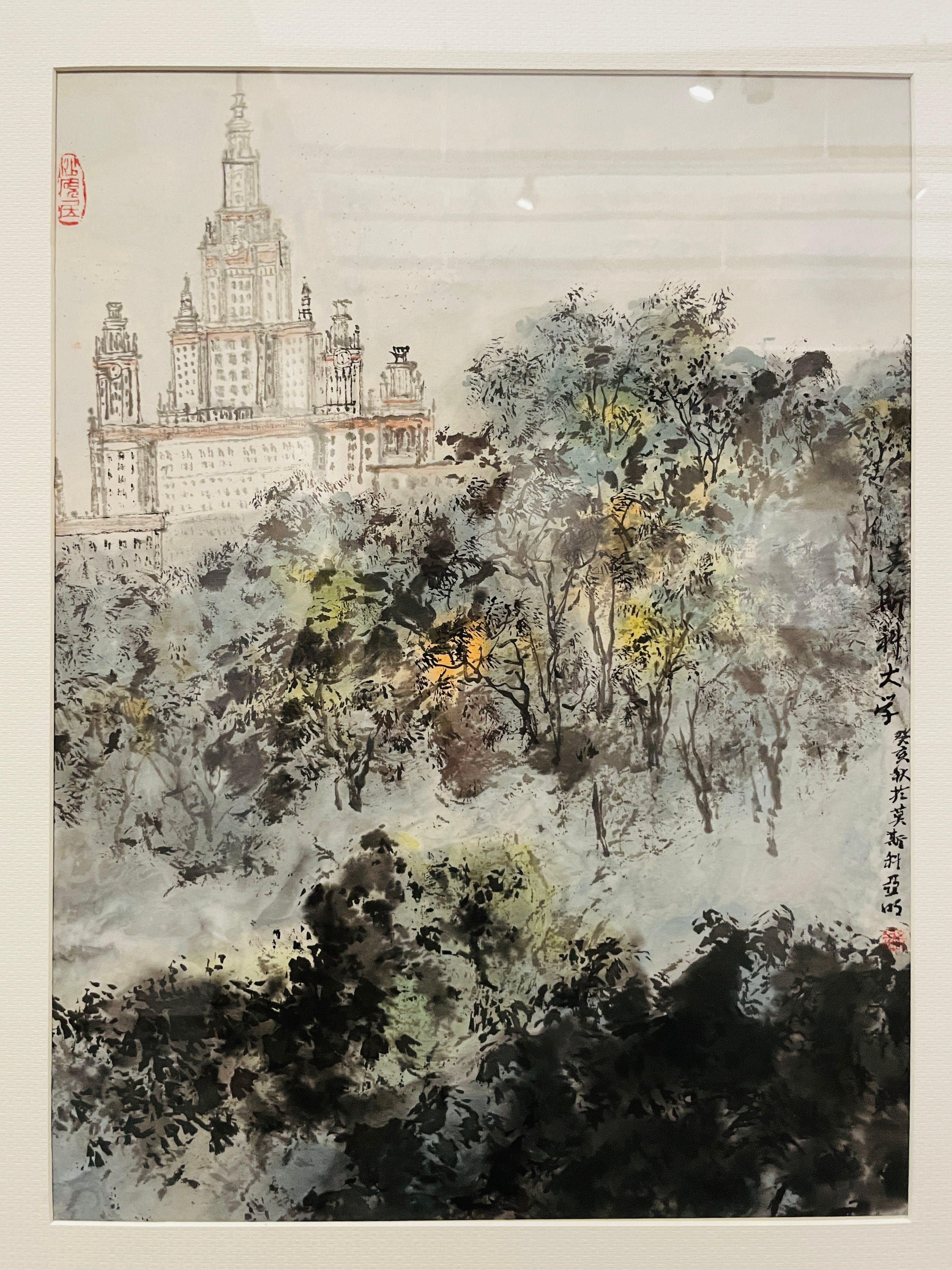
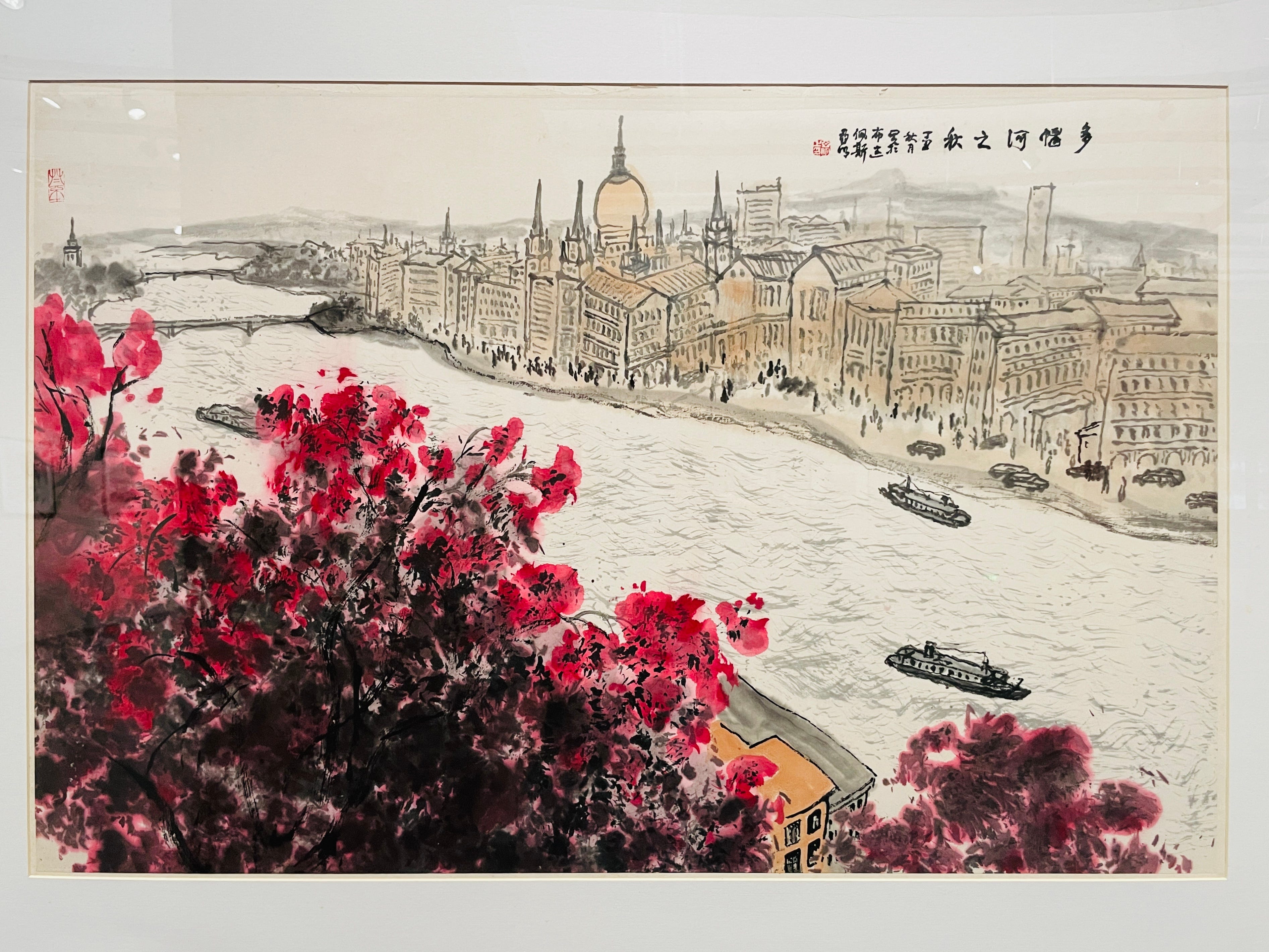

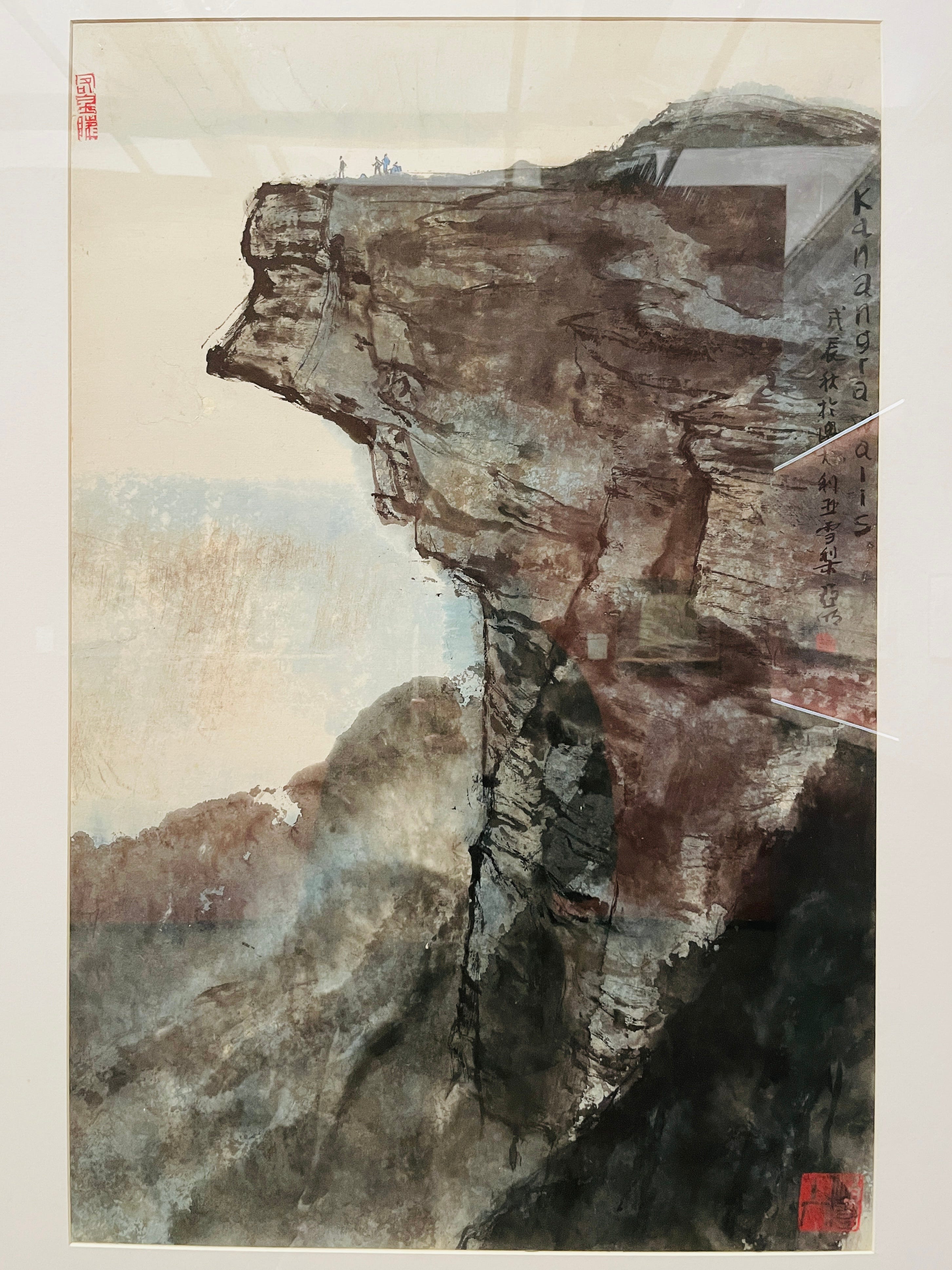
Each destination challenged Ya Ming to depict new architecture, climates, and colors with the age-old tools of Chinese ink painting. He approached the task not as a photojournalist but as a poet with a brush.
Tradition without Boundaries
Ya Ming’s global landscapes remained, in essence, Chinese paintings. Though the locales ranged from Ha Long Bay to the Alps, his works were suffused with the same meditative calm and respect for nature found in classic Chinese art. Even when depicting foreign subjects, Ya Ming kept the mood gentle and harmonious – “serene and idyllic,” as one Chinese review described his scenes, never veering into exotic caricature or Western-style realism. The foreign scenery was, in his own words, merely a “trigger for feeling,” an extension of his lifelong artistic pursuit of “people, nature, and tradition”.
If my insights brought you a fresh perspective, please consider supporting me by buying me a coffee. Your generosity fuels my writing.
Acknowledgement
All images included in this article were photographed by the author at the exhibition, "Ya Ming Retrospective Exhibition." They are intended solely for illustrative and educational purposes. Copyright for the original artworks remains with their respective holders, including the artist's estate, galleries, and institutions.